
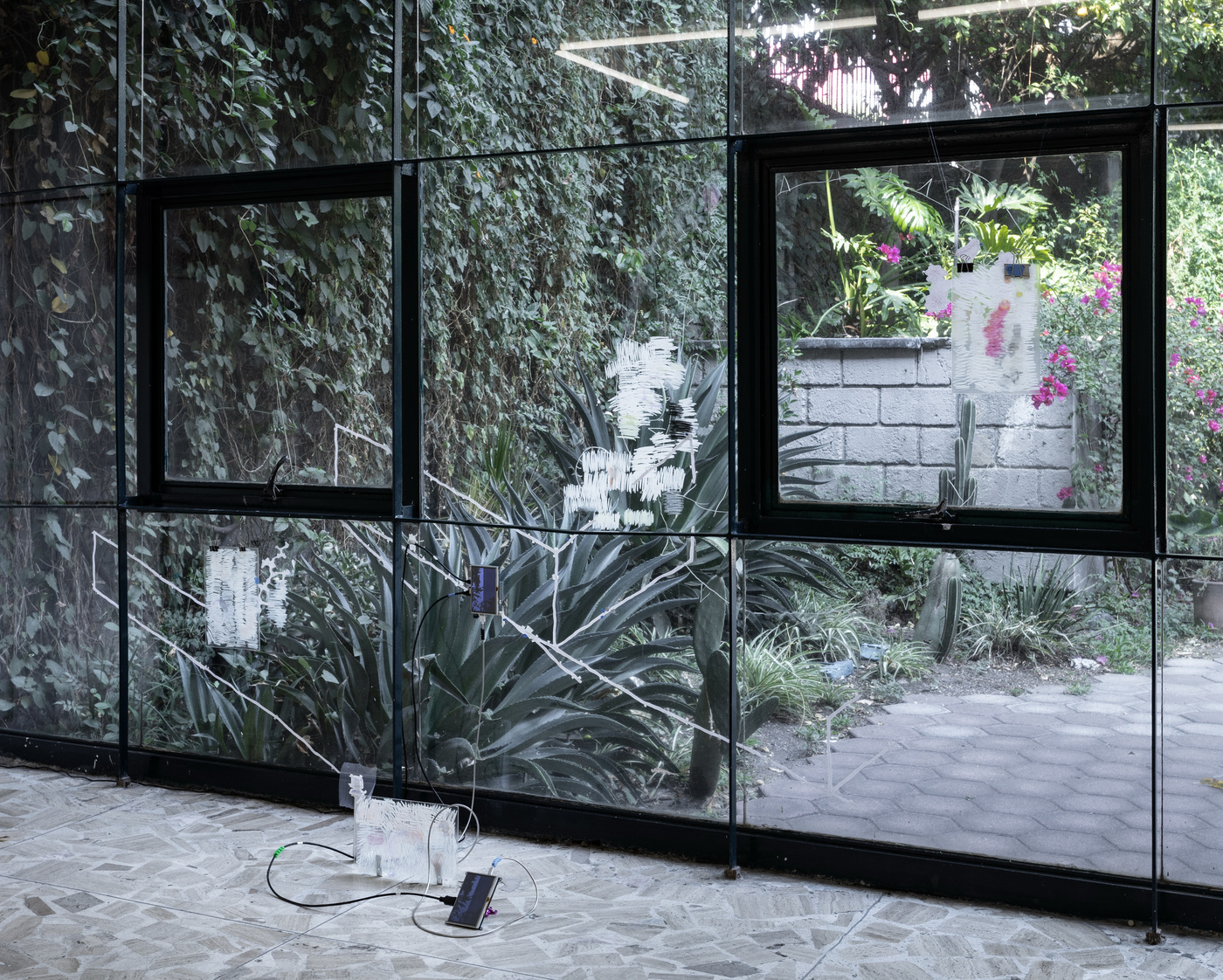
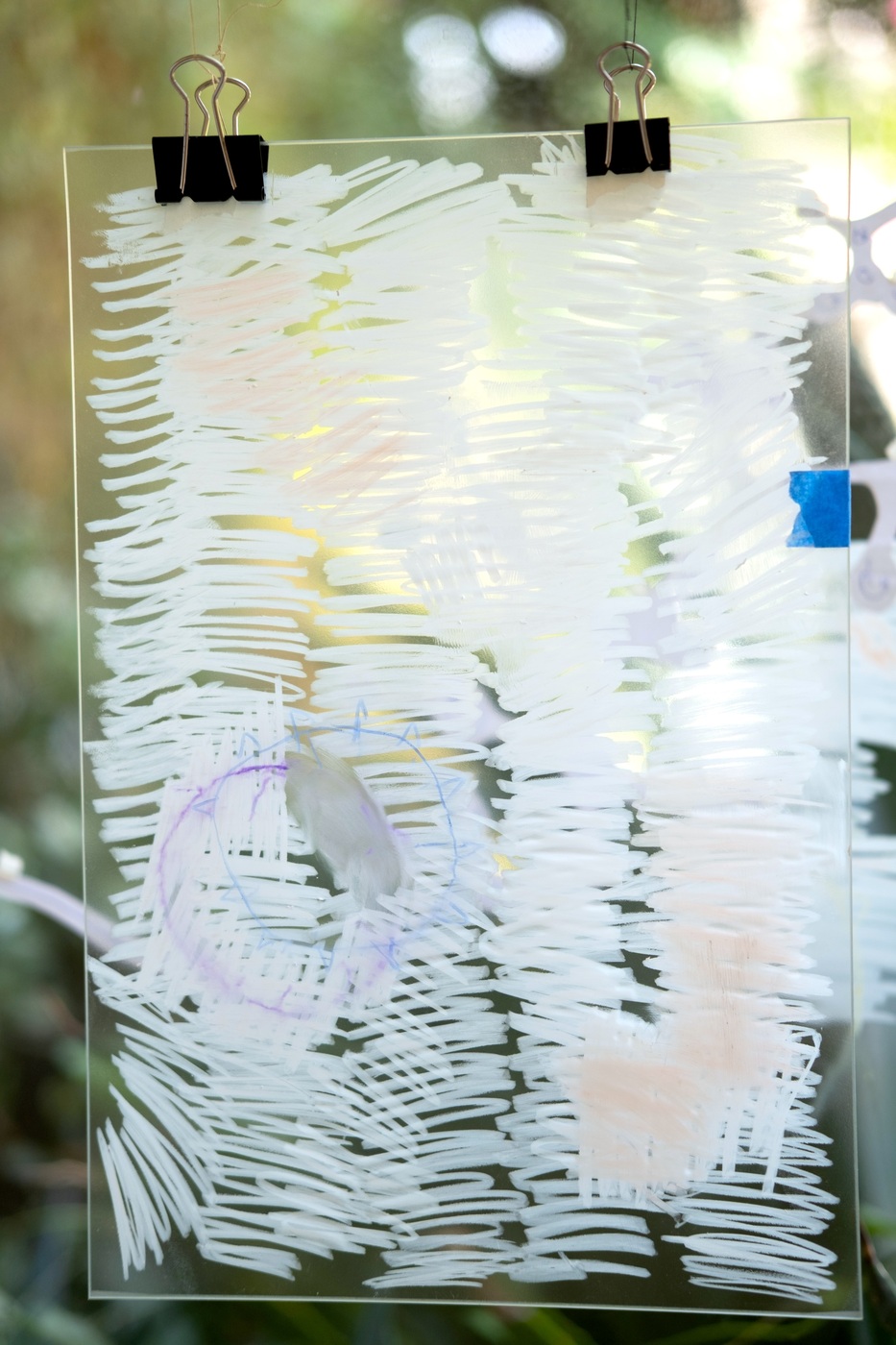
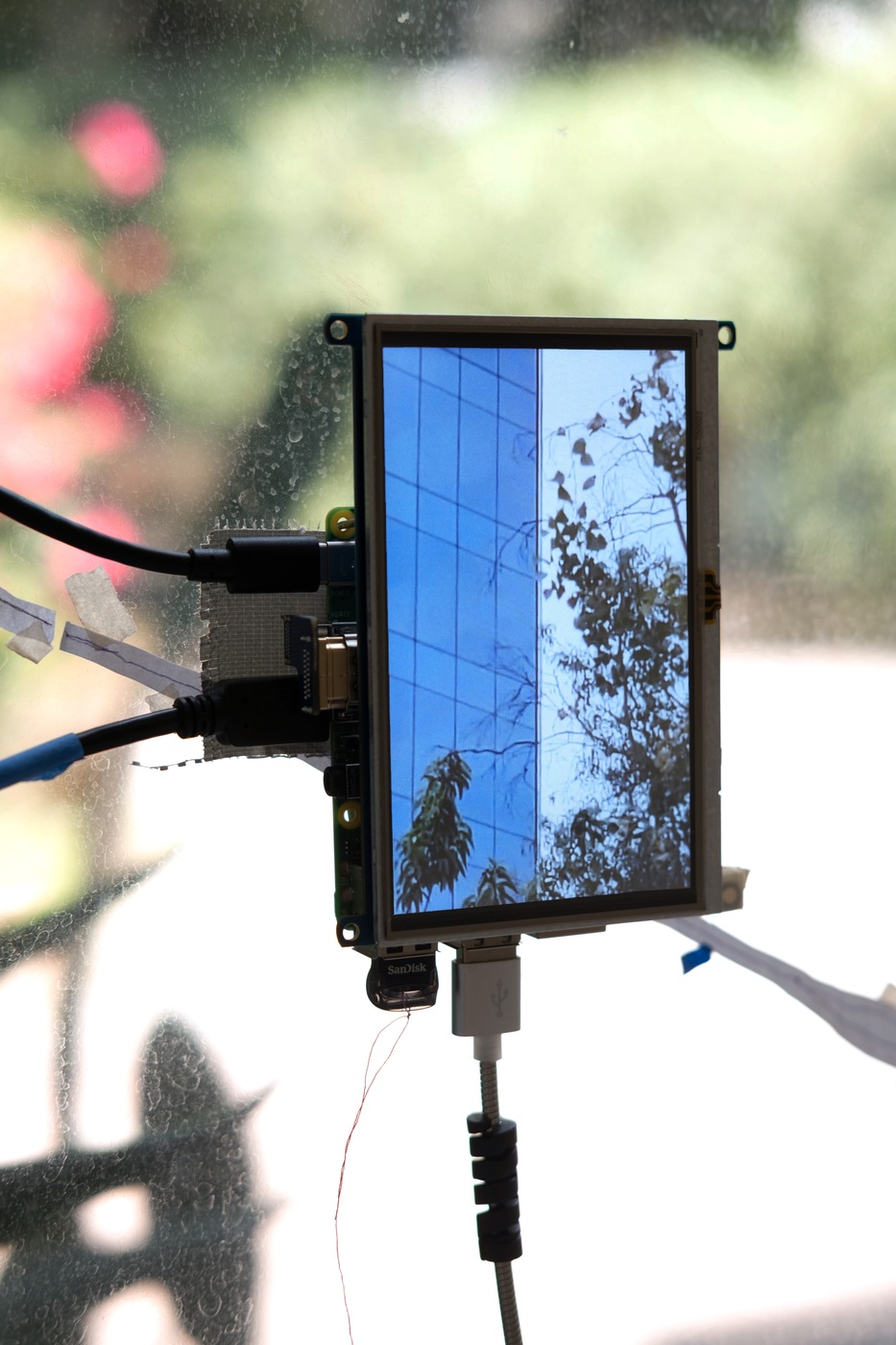

Captured, Clustered 
((Untitled))
Mark
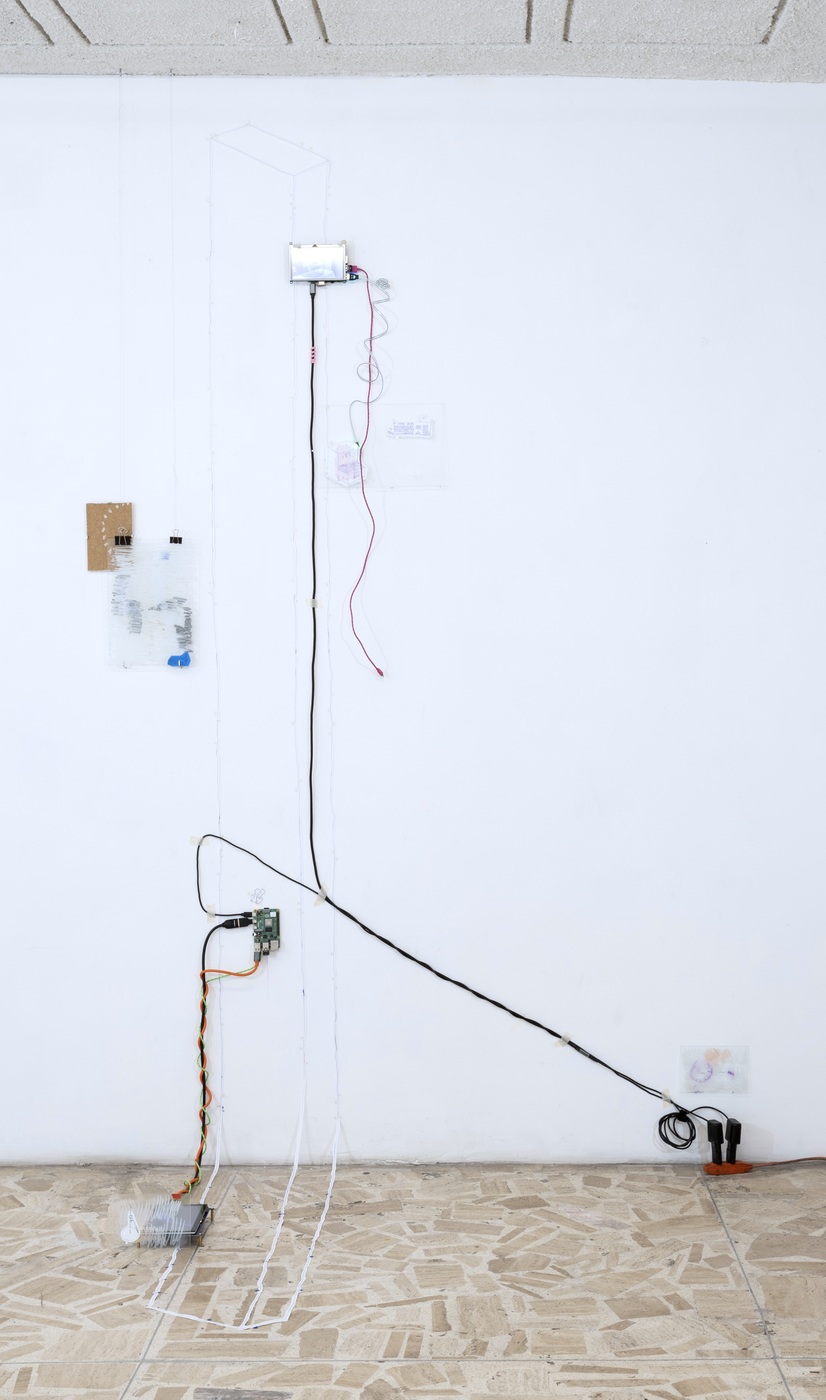
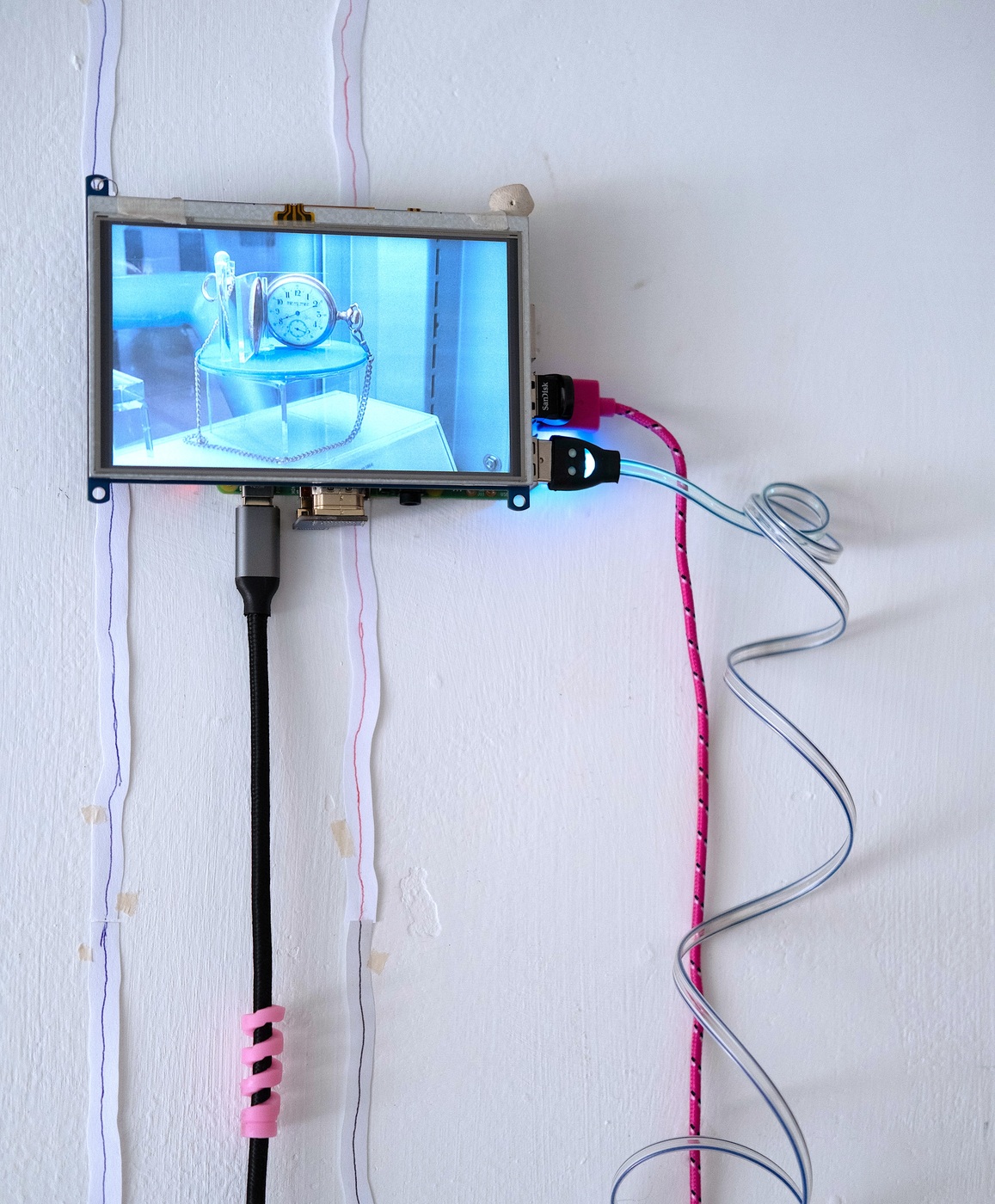
Tracing Maps I & II
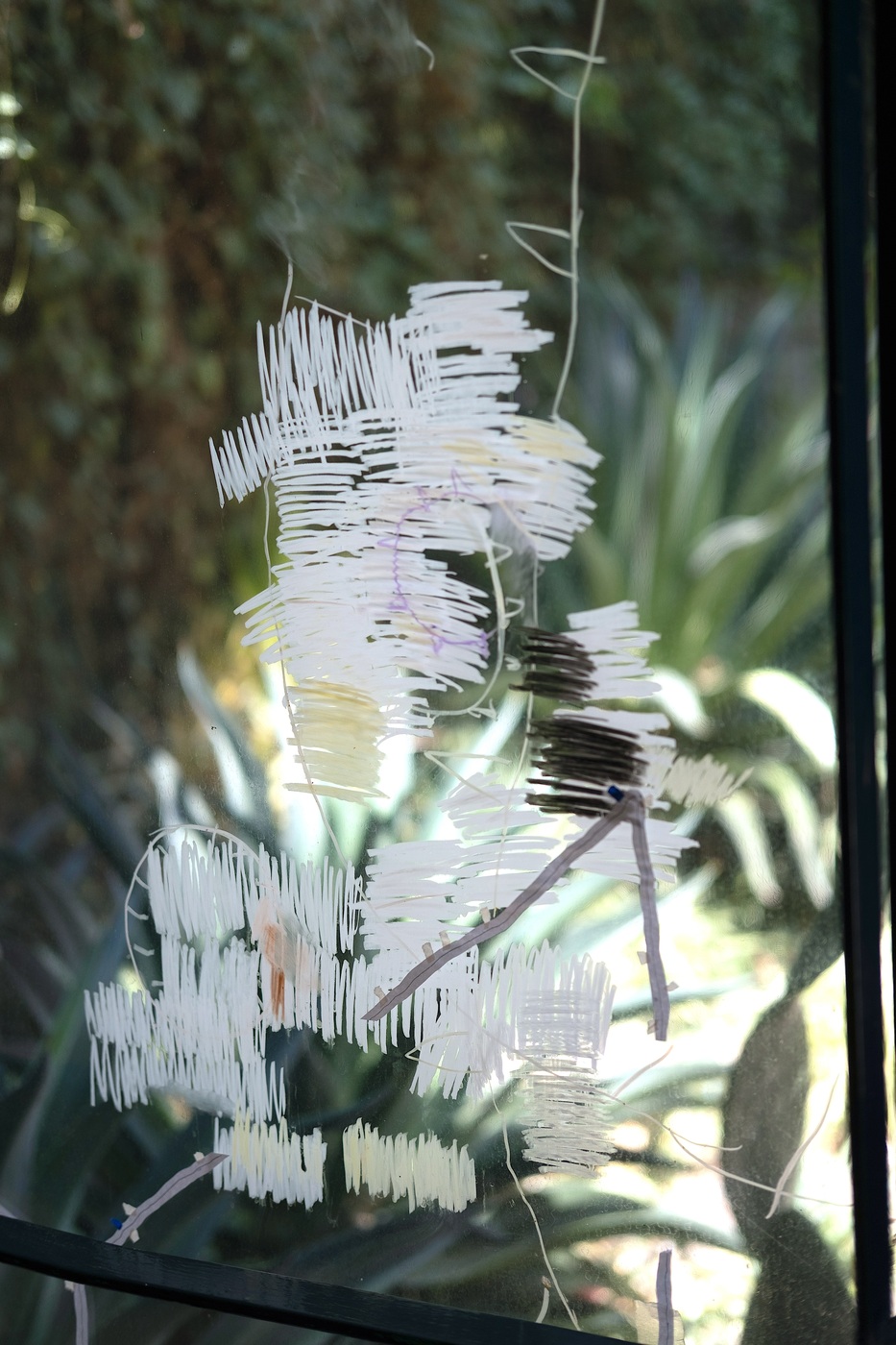
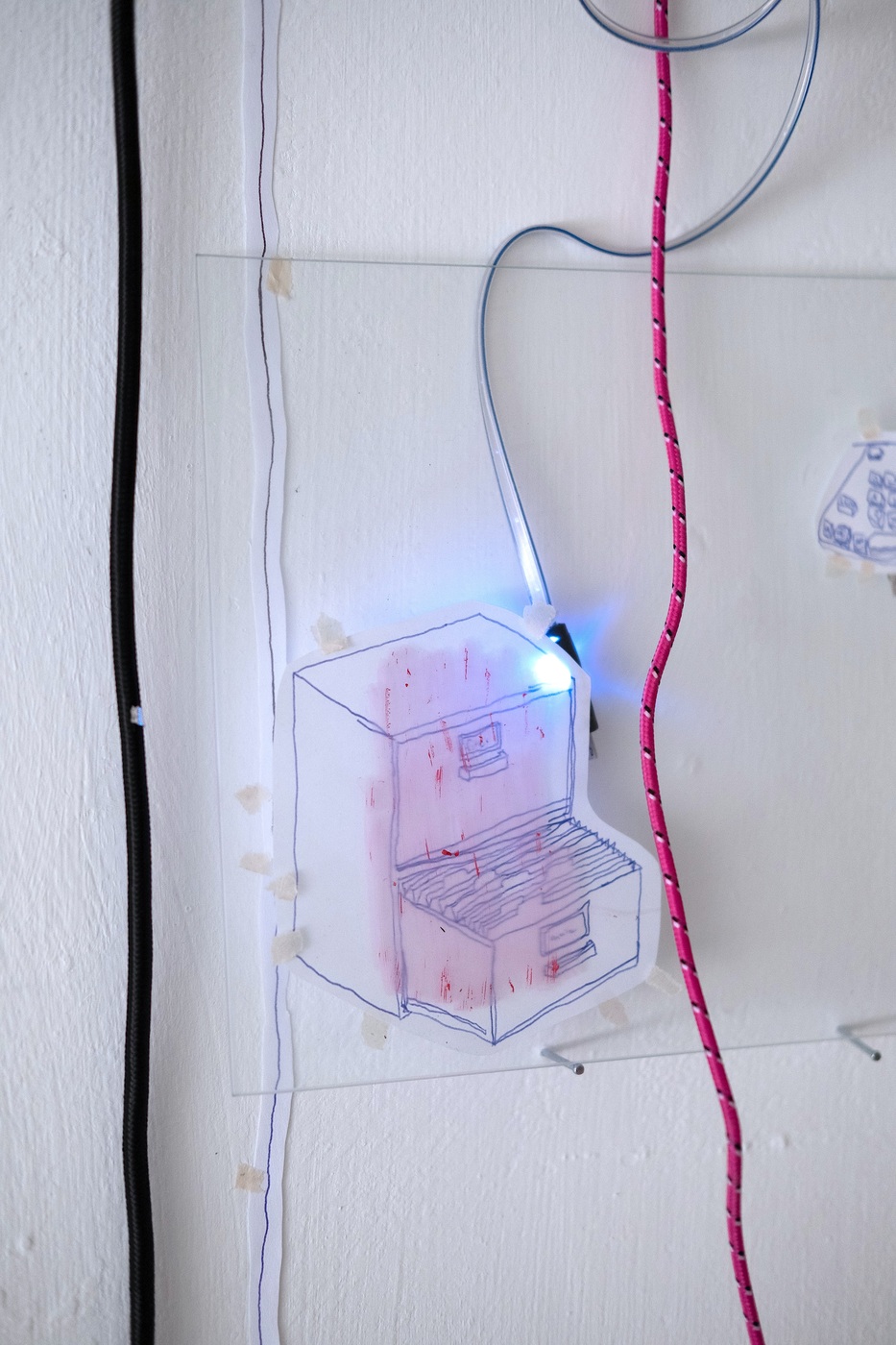
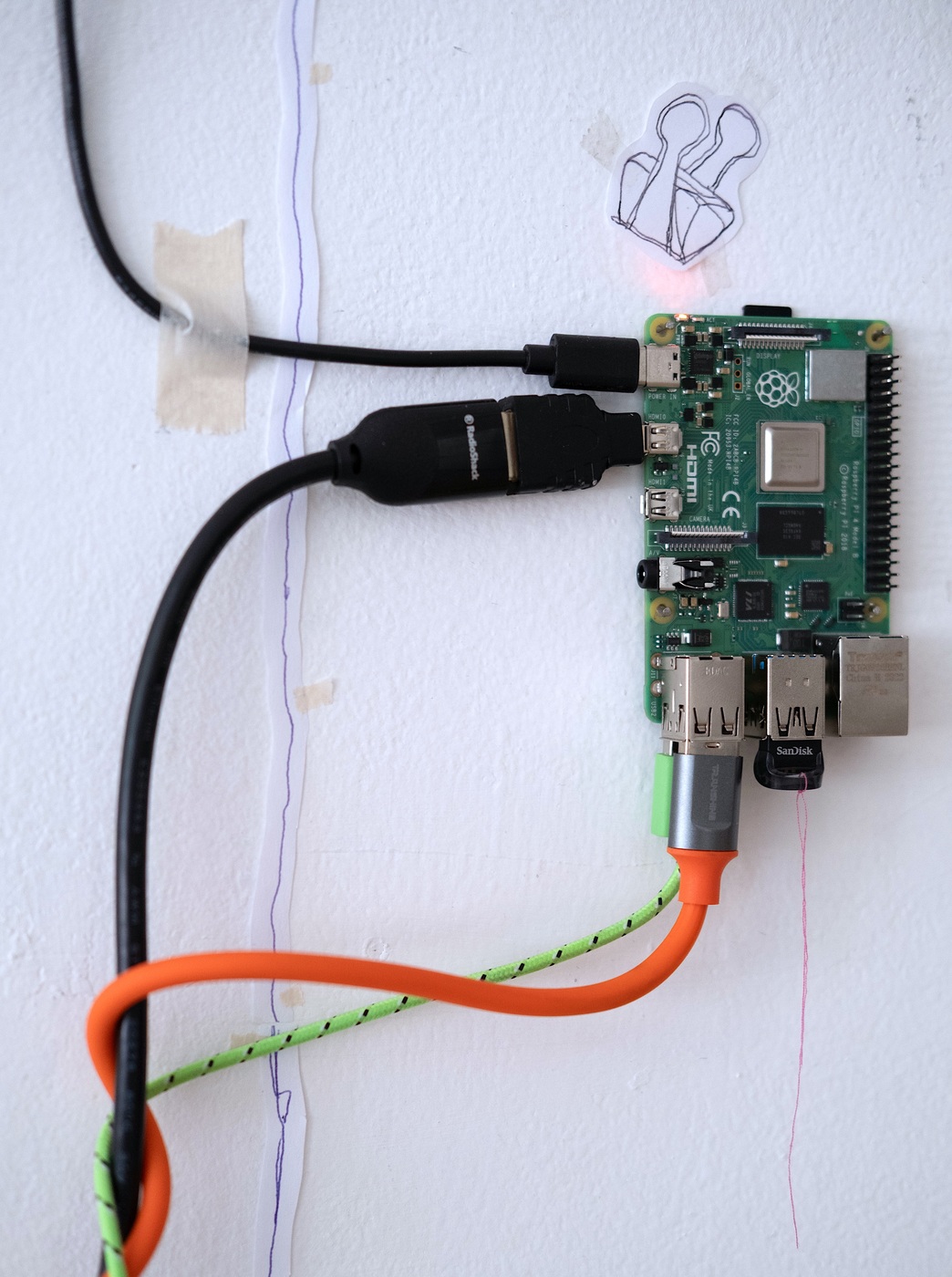
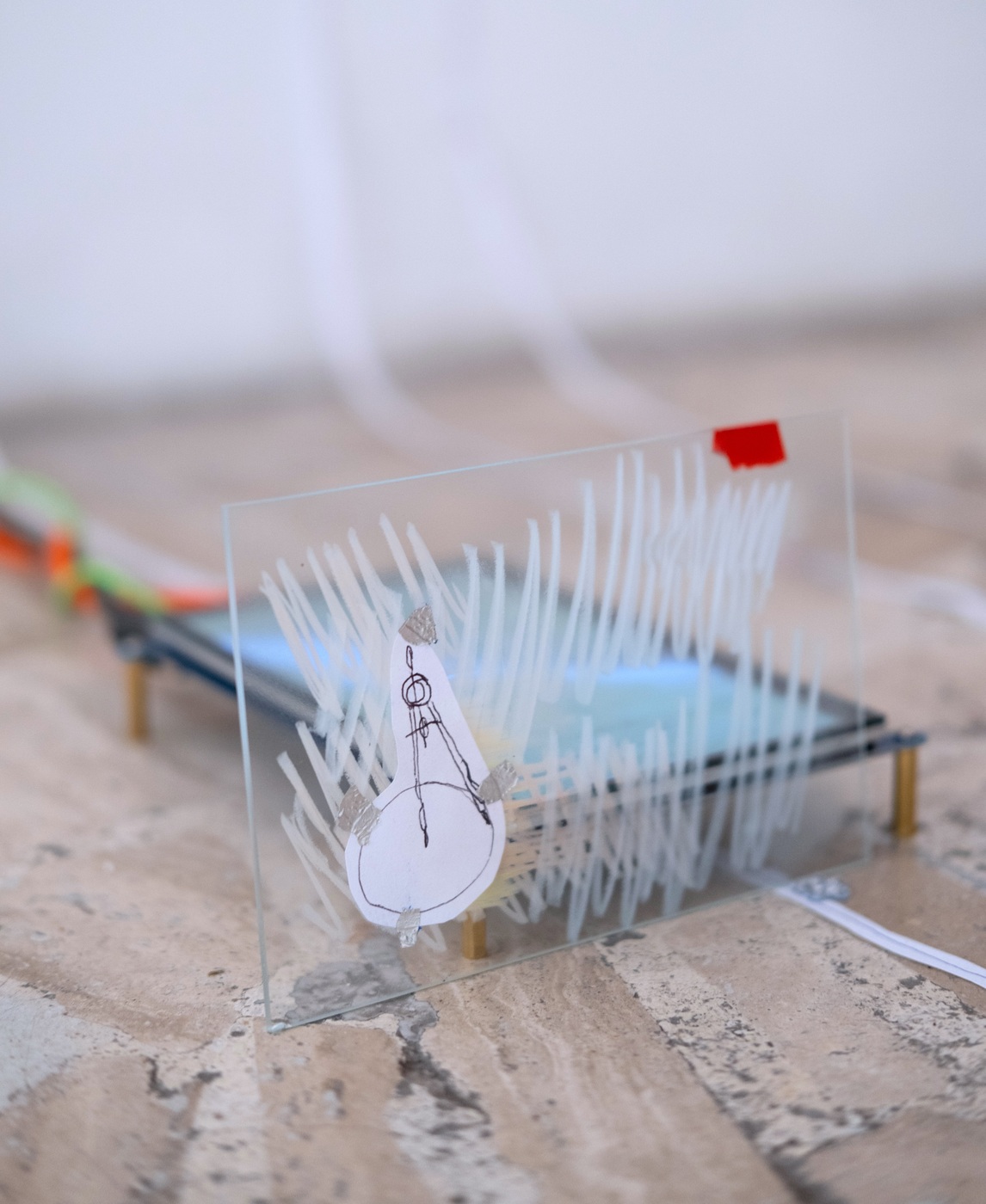
Collage can work as an axis for relating to a ready-montaged reality, and can expose the building blocks of our subjective formation. Regardless of medium, Joost takes found or made material out of its original context and introduces it into a new one in order to generate meanings that were previously latent, concealed or non-existent. They collect the residue of scraping the surface of their daily interfaced reality (phone recordings, doodly drawings, screenshots, phrases, YouTube videos or gifs). Through these everyday materials they reflect on the characteristics of each medium and the conventions that are tied to them. Recently Joost's material focus is on their archive of phone camera footage, and office supply paper and pens, to research where one medium ends and the next begins. How do their conventions influence what someone can imagine making in that medium? For example, how do the tech-specs of a phone camera determine what ends up in one's personal archive? These imposing conventions are never neutral, but neither are they absolute. Joost searches for the hidden possibilities of these media by playing in their fringes. With empty markers, glitches in the phone camera, wet a4 paper, ball pen on crayon or oversaturated memes, they search for the glitch in these materials. It is usually seen as an error, but Legacy Russel writes about the glitch that 'liberation can be found within the fissures between gender, technology and the body'; the glitch as a small rupture to create an opening in what seems like a sealed and immovable system.
Selected Shows
Solo
- 2022
- A Shrouded Song, NEVERNEVERLAND, Amsterdam
Group
- Forthcoming
- Prospects 2026, Art Rotterdam, Rotterdam
- 2025
- Sidelined - Drawing in its Periphery, Loods6 Project Space, Amsterdam
- Desire Lines, Casa Lü, Mexico City
- 2023
- A Clean Slate, performance event, iii, The Hague
- Über Beziehungen, group show, ImRaum, Vienna
- (Ware)House Warming, performance event, Door Open Space, Amsterdam
- 2022
- Big Other Bar, performance event, Arti et Amicitiae, Amsterdam
- Wasteland, group show, The Grey Space, The Hague
- Look at the Mesh We Made, performance festival, Tanzfabrik, Berlin
- Bits 'n Pieces, performance livestream, Tanzfabrik, Berlin
- 2021
- stART, group show, Factor IJ, Amsterdam
- Unity|Duality|Trinity, group show, De School, Amsterdam
- Carousel, performance program, Veem House for performance, Amsterdam
- Hunger & Focus, group show, Artwell residency Amsterdam
- Door Open Studio's, group show, De Dood, Zaandam
- There's Never Been a Winter So Long the Spring Didn't Come, group show, Laurel Project Space, Amsterdam
- 2020
- By Appointment Only; Feed My Quarantine 2: Still, online exhibition
- Stampa talkshow, online performance, Arti et Amicitiae, Amsterdam
Education
- 2021-2022
- Dance Intensive, Tanzfabrik, Berlin
- 2017-2020
- Bachelor of Arts and Design, VAV - Moving Image, Gerrit Rietveld Academie, Amsterdam
- 2019
- SNDO Intensive Course, Academie voor Theater en Dans, Amsterdam
- 2015-2017
- Propedeuse Fine Arts, HKU, Utrecht
Residencies
- Forthcoming
- The Lab Program, Mexico City
- 2025
- Unfinished Film Festival by Videopower, Odapark, Venray
- Casa Lü Residency, Mexico City
- 2024
- Collective Residency at ICI CCN Montpellier, France, with Anna Chwiałkowska and Maria Elena Seidenari
- 2023
- Collective Residency at SD Factory, Reggio Emilia, Italy, with Anna Chwiałkowska, Mei Bao, Maria Elena Seidenari
- 2021
- Artwell residency, Amsterdam
- Dooresidency, Zaandam
Commissioned Work
- 2024
- Visuals for Longing to Suspend, a performance by Nitsan Margaliot, at Archiv der Avantgarden, Dresden
- Visuals for Forestrands, a performance by Nitsan Margaliot, at Dock11, Berlin
- 2023
- Tracing Maps, video installation at Douanelab Amsterdam
- 2022
- Visuals for DJ set by Fatima Ferrari, at Theaterfestival Boulevard, Den Bosch
Teaching
- 2022
- Series of 6 movement classes for the Student Support Group, Gerrit Rietveld Academie, Amsterdam
Grants
- 2025
- Gerbrandy Cultuurfonds
- 2024/2025
- Mondriaan Start Stipend
- 2022
- AFK Mijn Eerste Aanvraag, for A Shrouded Song
As Performer/Collaborator
- 2025
- The Chase, by Marnix van Uum, Drawing Centre Diepenheim
- 2023
- a spatial dilemma, by Anna Chwiałkowska, Neun Kelche, Berlin
- 2022
- Forschung Aktuell, by Anna Chwiałkowska, Tanzfabrik, Berlin
- ALIEN BODY, by Danilo Andrés, Tanzfabrik, Berlin
- 2021
- The High Visitresse, by Caz Egelie, Centrale, Brussels
- The Gallerist, by Caz Egelie, Art Rotterdam, Rotterdam
- 2020
- She's Been In the Bizz, by Caz Egelie, CAMPO arts centre, Gent
- Marni Men's FW 20/21, choreography by Michele Rizzo, Men's Fashion Week, Milan
- 2019
- The Gallerist, by Caz Egelie, Centraal Museum, Utrecht